
Up to 38%
the rise in in-hospital deaths among Medicare patients who were already admitted when ransomware hit their hospital, in a study published in 2026.
University of Minnesota study, reported August 2026Orders, results, images, and bedside readings move through dozens of systems before a clinician acts on them. DOR proves each one is authentic and unchanged on the way, so the chart in front of your team is the chart that was written.
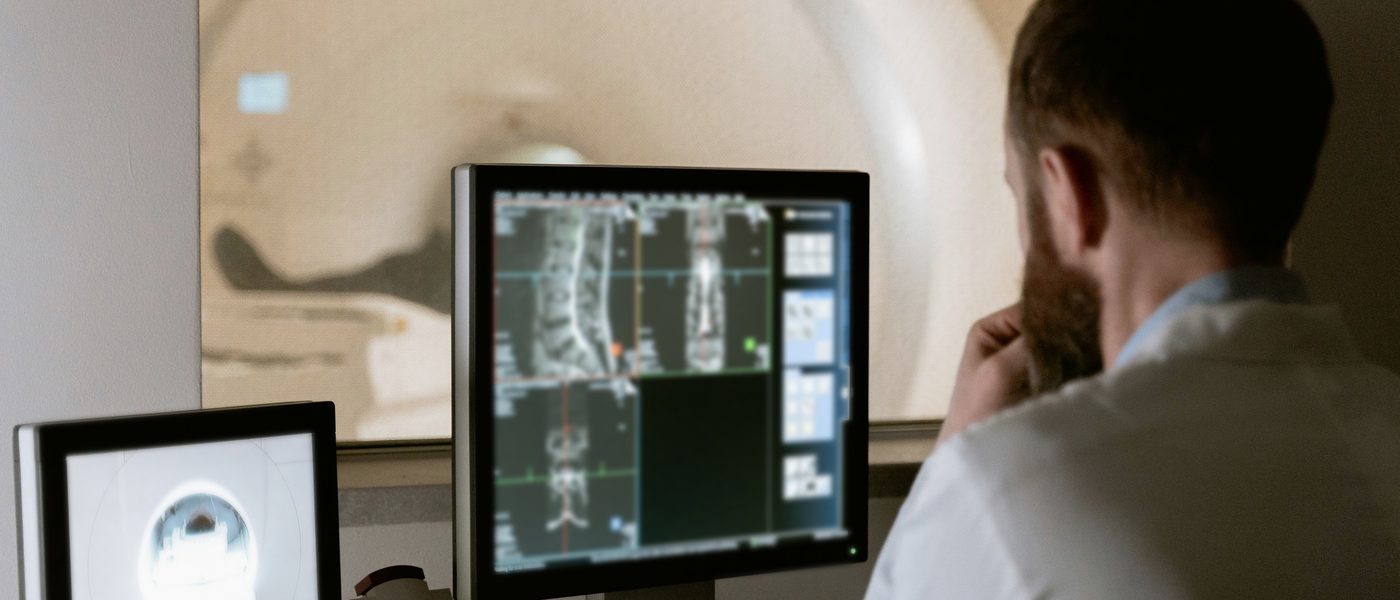
Attacks on hospitals now reach past the data to the care itself. Patients are diverted, surgeries are cancelled, and staff go back to paper.
Up to 38%
the rise in in-hospital deaths among Medicare patients who were already admitted when ransomware hit their hospital, in a study published in 2026.
University of Minnesota study, reported August 202624 beds
at the Nebraska critical access hospital whose ambulances diverted critical patients in October 2026, after an attack kept diagnostic images from reaching radiologists. Staff moved to paper records.
DysruptionHub, October 202670+
surgeries cancelled at an Antwerp hospital in January 2026 after an attack forced it to shut down its servers. 7 patients, some critical, were moved to another hospital.
Wikipedia summary of press reports, 2026Oct 21, 2026
the day a national lab company found an intruder in the platform clients use to order tests and view results. It shut the platform down and moved customers to paper requisitions.
BleepingComputer, October 2026No patch
was available when FDA and CISA warned in 2025 that a widely sold patient monitor could be controlled remotely and sent patient data to an outside server. Hospitals were told to unplug it from the network.
Polsinelli, February 202561 million+
people affected by large healthcare data breaches reported to federal regulators in 2025.
HIPAA Journal report, via Healthcare Innovation, February 2026Clinical systems, the devices at the bedside, the pharmacy, and the people who keep it all running act on what they receive. DOR proves it first.
Orders, results, images, and the chart they all land in.
C-01
A changed lab value or a forged order looks exactly like a legitimate one in the chart. DOR proves every order and result came from the system and clinician it names, unchanged, before anyone acts on it.
C-02
Scans travel from the scanner to storage to the radiologist's screen, and every step is a chance to alter or swap one. DOR keeps each image provably tied to the patient and scanner it came from.
C-03
When an attack takes systems offline, staff work on paper and re-enter everything later. DOR keeps a record of what was verified before, during, and after, so the chart that comes back can be proven.
Monitors, pumps, and every connected device near a patient.
B-01
A monitor can show a steady rhythm when the patient is not steady, if the data feed is altered. DOR proves readings came from the device at the bedside, unchanged, on their way to the central station and the chart.
B-02
Network commands to infusion pumps and other connected devices can come from anywhere the network reaches. DOR holds a remote command it cannot prove, while alarms and everything a clinician does at the bedside always go through.
B-03
Patient monitors have shipped with hidden ways in and no patch to close them. DOR watches what connected devices actually do and confirms each one is the registered device, so behavior no one approved is flagged and recorded.
Prescriptions, controlled substances, and the drugs moving toward the patient.
P-01
A forged or altered electronic prescription can move a controlled substance out the door. DOR proves who wrote each order and that the drug, dose, and quantity never changed.
P-02
Federal law requires prescription drugs to be traced electronically, package by package. DOR makes every transaction record provable, so a counterfeit or diverted product stands out.
The help desk, the phone line, the video visit, and the record room.
A-01
In 2026, attackers posed as clinicians and executives to get help desks to reset passwords and enroll new login devices. DOR confirms who is asking before access changes hands, and flags a cloned voice while the call is happening.
A-02
Patients and clinicians meet on video and phone, where faces and voices can be faked. DOR confirms who is on the call while it is happening.
A-03
Someone with legitimate access can open a record for the wrong reason. DOR requires a name and a reason for sensitive actions and keeps a record of them that no one can edit.
The data that outlives the visit, and the rules you answer to.
D-01
AI tools that draft notes or suggest diagnoses are only as sound as what they read. DOR records where every input came from and keeps unverified data out of what the model uses.
D-02
Trial data, samples, and consent records change hands many times before results are filed or published. DOR records every hand-off and locks in the order things happened.
D-03
An altered claim or a changed payment instruction can send money to the wrong place. DOR proves a claim or payment change came from who it says it came from.
D-04
HIPAA, FDA's cybersecurity requirements for medical devices, federal drug tracing rules, and the federal incident reporting rule now in final review all ask you to show what your systems did. DOR produces that record.
Nothing to rip out. No dependence on a link to the outside. Every deployment starts with your systems as they are.
DOR maps what your clinical, device, and business systems receive and act on, from the bedside to the archive.
Every deployment is built with your clinical engineering and IT teams, to your equipment and the rules you answer to.
DOR runs as software on the systems you already operate, fully offline. Where a site has nothing suitable, DOR provides a compact host built for it.
You get a record of what was checked, what was held, and why. It cannot be edited.
Inside every deployment
Straight answers to what hospital, clinic, lab, and pharmacy leaders ask first.
No. DOR checks whether data and commands are authentic and unchanged. It does not diagnose, treat, or change what a clinician sees or decides.
No. Alarms, emergency functions, and everything a clinician does at the bedside are never held. Every deployment is designed with your clinical engineering team around them.
Usually not. DOR runs as software on the systems you already operate, and provides a compact host when a site has nothing suitable.
No. Firewalls, endpoint tools, and monitoring decide where traffic can go and watch for trouble. DOR proves the data and commands are authentic before your systems act on them.
No. DOR runs fully offline and depends on no outside service to verify anything, so it keeps working when the internet connection does not.
Every deployment keeps patient data where it already lives. Where a deployment involves protected health information, DOR signs a business associate agreement as HIPAA requires.
Each asks you to show what your systems did and when. DOR produces a verifiable record of what your systems received, checked, and acted on that cannot be edited, which supports risk analyses, audits, and incident reports. The overhaul of the HIPAA Security Rule proposed in January 2025 is now targeted for July 2027, and the federal cyber incident reporting rule, which covers healthcare, has been in final White House review since October 1, 2026.
No. Every deployment is built to the system in front of it, from a critical access hospital or a single clinic to a regional health system.
DOR walks your systems, builds with your teams to your equipment and rules, deploys on what you already run, and hands you the evidence. It starts with a briefing.
Reference
The full list behind this page: how clinical, device, pharmacy, and business systems get fooled, in plain language, with what DOR does about each one.
Healthcare
Bring your system map, or just the questions your clinical and IT leaders keep asking. DOR will show you exactly where it fits.